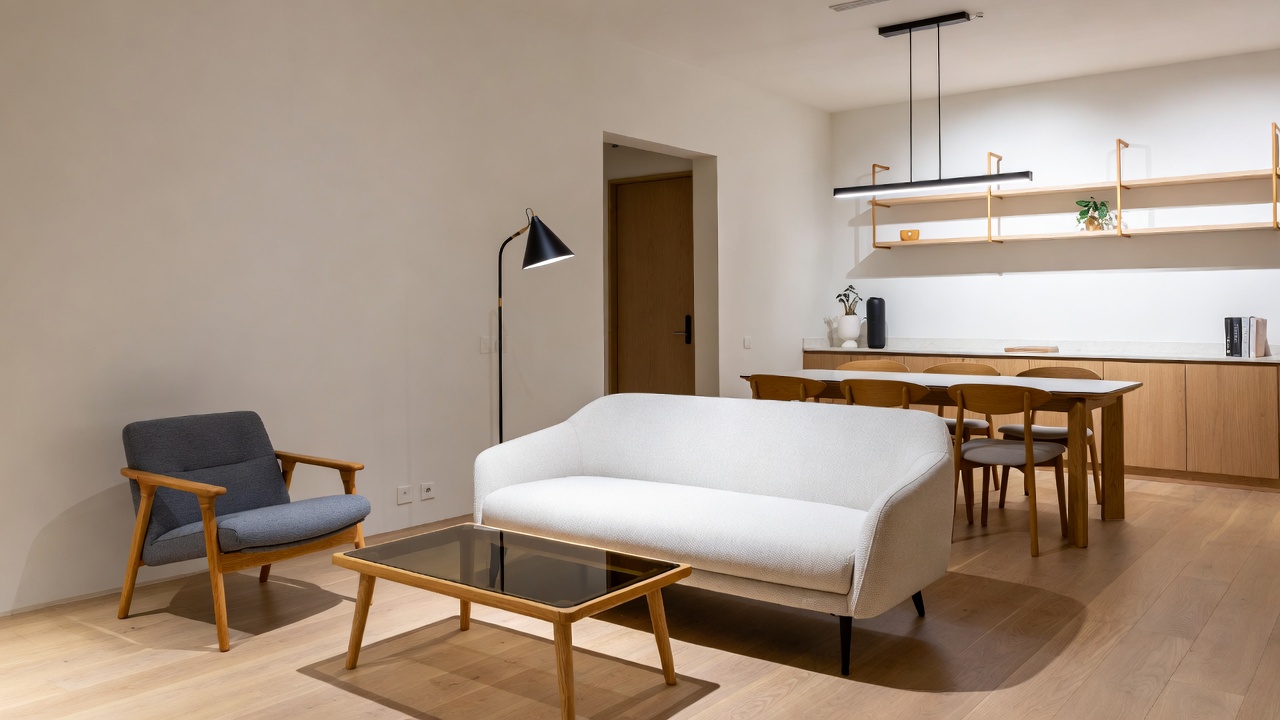
Picture this: you come home after a long day at the office and OT, the squeeze on the MRT still fresh in your mind. All you want is to sink into a sofa that actually supports your back, not adds to the ache, right? Or maybe you dream of a bedroom that feels like a warm hug, not a cluttered storage space. I hear you, lah! That's where good interior design comes in. It's not just about aesthetics; it's about making your home a true haven, a place where you can finally relax and recharge. Interior design is the art and science of planning and designing interior environments to enhance functionality, aesthetics, health, safety, and the overall human experience within a space. It's about creating a space that works for you.
Think about how you move through your home. Do you constantly bump into things? Is it a struggle to get from the kitchen to the living room with a plate of food? These are signs that your space isn't working for you. Range of motion in interior design is all about creating a flow that feels natural and comfortable. It's about ensuring you can move freely and easily without feeling cramped or restricted. It's not just about square footage; it's about how you use that square footage.
Creating Comfortable Pathways
One of the first things to consider is the width of your pathways. Ideally, you should have at least 36 inches of clear space for walking. In high-traffic areas, like between the sofa and the TV, or in the kitchen, you might even want to aim for 42-48 inches. This allows for two people to comfortably pass each other, or for you to easily navigate with a tray of food or a laundry basket. I've heard so many friends in the group chat complain about bumping into furniture all the time! It's a small thing, but it adds up to a lot of daily frustration.
Furniture Placement for Easy Flow
The placement of your furniture is crucial for optimising range of motion. Avoid blocking pathways with large pieces of furniture. Consider the scale of your furniture in relation to the size of your room. A massive sofa might look great in a showroom, but it could overwhelm a small HDB living room. Think about how you use the space and arrange your furniture accordingly. For example, if you love to read, make sure your favourite armchair is positioned near a good source of light and has enough space around it so you can easily reach for a book or a cup of tea.
Optimising Vertical Space
Don't forget to utilise vertical space! Shelves, cabinets, and wall-mounted storage can help to declutter your floors and keep pathways clear. Think about installing floating shelves to display your favourite books and plants, or using tall, narrow cabinets to store your belongings. This can make a small room feel much more spacious and organised. And let's be honest, in Singapore, where space is a premium, every little bit helps, right?
After a long day at work, your living room should be a place to unwind, not a source of more stress. That means paying attention to living room ergonomics and comfort. Ergonomics is all about designing spaces and products that fit the human body, reducing strain and promoting good posture. When it comes to your living room, this means choosing furniture that supports your body properly and arranging it in a way that encourages relaxation.
Sofa Selection for Optimal Support
Your sofa is likely the most important piece of furniture in your living room. Choose one that provides adequate support for your back and legs. Consider the seat depth, back height, and armrest height. A sofa that's too deep can cause you to slouch, while one that's too shallow might not provide enough support. In Singapore’s compact HDB flats and condos, the master bedroom often doubles as a sanctuary—a haven for unwinding after tiring office hours, enjoy quiet time with a book, or even sneak in a quick work-from-home setup when the situation calls for it. It’s common for local residents to feel stuck with layouts that seem too tight, overly bright illumination, or storage that eats into valuable floor space, making the room feel more practical than peaceful. That’s where thoughtful bedroom design truly excels—it centres around clever spatial solutions, relaxing colour schemes, space-saving furniture, and clever lighting to create a restorative haven that optimises relaxation while ensuring clutter-free airflow. Suddenly your bedroom becomes the place you look forward to at the end of the day, helping you unwind faster, achieve better quality sleep, and rise feeling energised and ready for whatever the next day brings. Sites such as Wondrous La Vie offer plenty of real-life examples and easy connections to designers who specialise in these practical yet beautiful Singapore-style bedroom makeovers.. Look for sofas with firm cushions and good lumbar support. And don't forget to test it out before you buy it! Sit on it, lie down on it, and make sure it feels comfortable for you.
Optimising Viewing Distance and Angle
The placement of your TV is also crucial for comfort. Position it at a comfortable viewing distance and angle to avoid eye strain and neck pain. A good rule of thumb is to sit about 1.5 to 2.5 times the diagonal screen size away from the TV. So, if you have a 55-inch TV, you should sit about 7 to 11 feet away. The centre of the screen should be at or slightly below eye level when you're seated. This will help to prevent neck strain and ensure a comfortable viewing experience.
Lighting Considerations for Relaxation
Lighting plays a vital role in creating a relaxing atmosphere in your living room. Avoid harsh, overhead lighting, which can be tiring on the eyes. Instead, opt for a combination of ambient, task, and accent lighting. Ambient lighting provides overall illumination, while task lighting is used for specific activities, like reading or working. Accent lighting is used to highlight certain features of your room, like artwork or plants. Use dimmer switches to adjust the brightness of your lights and create a warm, inviting atmosphere. One homeowner shared how connecting with the right designer via the platform turned their cramped HDB living room into a cosy family hangout-suddenly weekends feel so much better.
It's really sian when your bedroom feels cluttered and your mattress is giving you backache after work, but with the right interior design ideas and comfy pieces, that sense of calm comes back stronger. Wondrous La Vie, Singapore's pioneering interior design and home furnishing platform, understands the unique challenges of creating a comfortable and functional home in Singapore. Beta launched in March 2024, Wondrous La Vie connects you to top interior designers and curated premium furniture brands, making it easier than ever to create your dream home.
Connecting You with Top Interior Designers
Finding the right interior designer can be a daunting task. Wondrous La Vie simplifies the process by connecting you with experienced professionals who understand your needs and style. Whether you're looking for HDB interior design ideas, condo renovation tips, or landed property makeovers, Wondrous La Vie can help you find the perfect designer for your project. After a long day squeezing on the MRT and grinding through meetings, most busy Singaporeans just want to come home to a space that feels welcoming and calm instead of piling on more fatigue. A disorganised space or an lumpy bed setup can make chilling out even harder, especially when the entire family are trying to relax together. That’s where thoughtful interior design Singapore really makes a difference—it turns everyday rooms like your living room, bedroom, or cooking zone into private sanctuaries that actually help you recharge. With the right couch, sleep surface, or smart layout, suddenly walking through the door feels so shiok, and small changes can bring big improvements to your daily mood and family bonding. Places like Wondrous La Vie make it more straightforward to explore options and get in touch with home designers who understand the Singaporean home feel just right. This format lets you easily generate multiple SEO-optimised variations while keeping the core keyword "interior design" stable in the middle for strong on-page targeting.. They offer inspiration through real project showcases, style guides, and easy ways to find matching designers or pieces.
Curated Selection of Premium Furniture
Wondrous La Vie also offers a curated selection of premium furniture brands, including sofas, mattresses, living room sets, bedroom furniture, kitchen solutions and more. They focus on affordable luxury, so you can create a stylish and comfortable home without breaking the bank. Whether you're looking for a cosy sofa for your living room, the best mattress for back pain, or modern living room furniture, you'll find it on Wondrous La Vie.
Client Stories and Inspiration
Wondrous La Vie showcases client stories highlighting stunning makeovers, improved comfort, better family time, and that “finally shiok to come home” feeling. These stories provide inspiration and demonstrate the transformative power of good interior design. You can see how other homeowners have turned their cramped HDB flats into stylish and functional homes, and get ideas for your own renovation project.
Affordable Luxury and High-End Design
Wondrous La Vie focuses on affordable luxury, making high-end residential interior design accessible to a wider range of homeowners in Singapore. They believe that everyone deserves to live in a beautiful and comfortable home, regardless of their budget. That's why they offer a range of furniture and design services to suit different needs and budgets.
Fun fact: A cosy, well-designed living room or bedroom can actually help you sleep better and feel less stressed after long workdays - small changes, big shiok difference! Why not pop over to wondrouslavie.com, take the quick quiz, browse sofas/mattresses, or connect with a designer and see what feels right for your space?
Accessory placement guide: Ensuring visual balance and harmony (checklist)Seating comfort: Evaluating pressure distribution and support